

The lie is that an university core switch decision is primarily about port count, throughput, or which supplier offered procurement the cleaner spread sheet; in the real world, this option is about failure domains, maintenance home windows, upgrade pain, extra strategy, licensing traps, optics supply, and whether your team can recuperate at 2:17 a.m. without calling three people who left the business in 2021.
So why do we still act it is simply “framework vs pile”?
I have actually sat in those refresh meetings. The modular framework switch looks costly, heavy, and politically harmful. The fixed switch pile looks lean, contemporary, and easy to accept. But the more affordable solution can become costly quickly when the school backbone lugs verification, cordless controllers, ERP access, monitoring, VoIP, east-west website traffic, and every upset executive’s laptop computer at the same time.
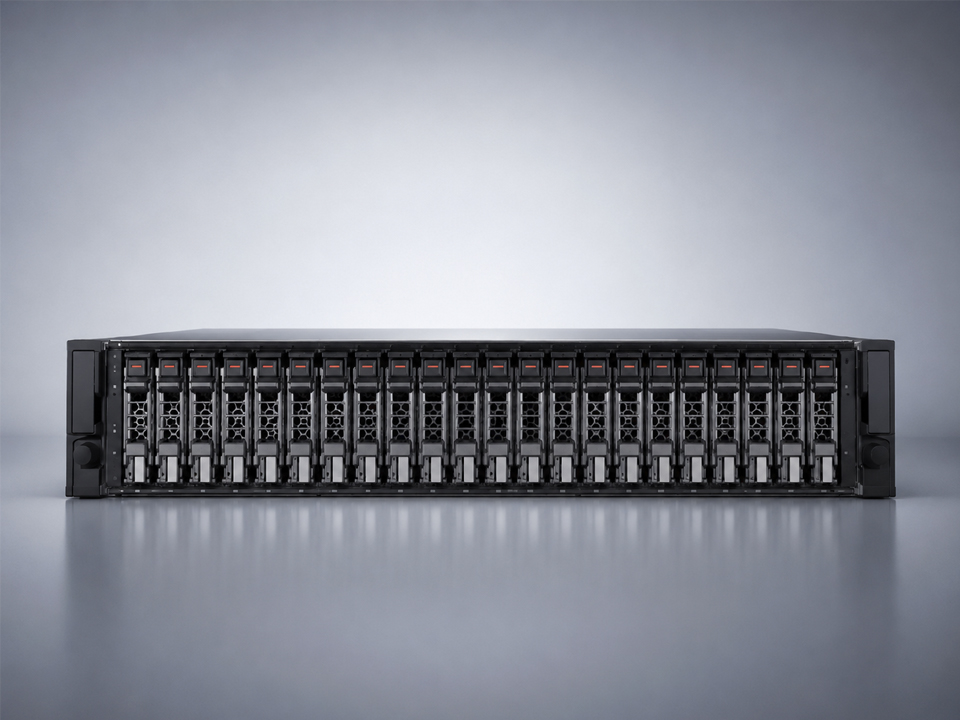
The Look Intent Behind This Campus Core Switch Over Argument
The search intent is commercial-informational. A network buyer, IT supervisor, systems integrator, or framework designer is not casually searching interpretations; they are likely preparing a campus core refresh, contrasting style options, and trying to warrant a core button substitute before budget plan, safety and security, or operations committees.
That matters.
A “university core switch” key words brings in people who currently recognize Layer 2 and Layer 3 essentials. They desire a choice framework. They want threat language. They desire a defensible solution when someone asks, “Why not just pile two 1U buttons and save the cash?”
My blunt answer: occasionally you should. But not when the core has actually become the blast center for each solution no one bothered to paper.
What a Modular Chassis Change Truly Acquires You
A modular chassis button acquires you systematized scale, hardware adaptability, and cleaner long-lasting expansion through exchangeable managers, line cards, power modules, fan trays, and user interface components. That is the sales brochure variation. The area variation is less complex: it offers you space to transform your mind without ripping out the whole core.
A framework is not magic. It can still be misconfigured. It can still fall short. And of course, some chassis releases are bloated monoliths to old purchase practices.
However when the campus has numerous structures, fiber aggregation, 10G/25G/40G/ 100G uplink preparation, VRF splitting up, high ACL volume, multicast, redundant power feeds, and a five-to-seven-year refresh cycle, framework business economics start looking less outrageous.
For instance, a D-Link modular framework switch for business university backbone jobs fits the type of atmosphere where systematized switching, component preparation, and lasting procurement adaptability matter greater than the most affordable very first billing.
And if the job favors a larger data-center-style core or gathering design, a Cisco Nexus 7000 modular button framework belongs in the discussion, especially when the company is systematizing about modular Cisco infrastructure and desires spare, line-card, power, and licensing control took care of in advance.
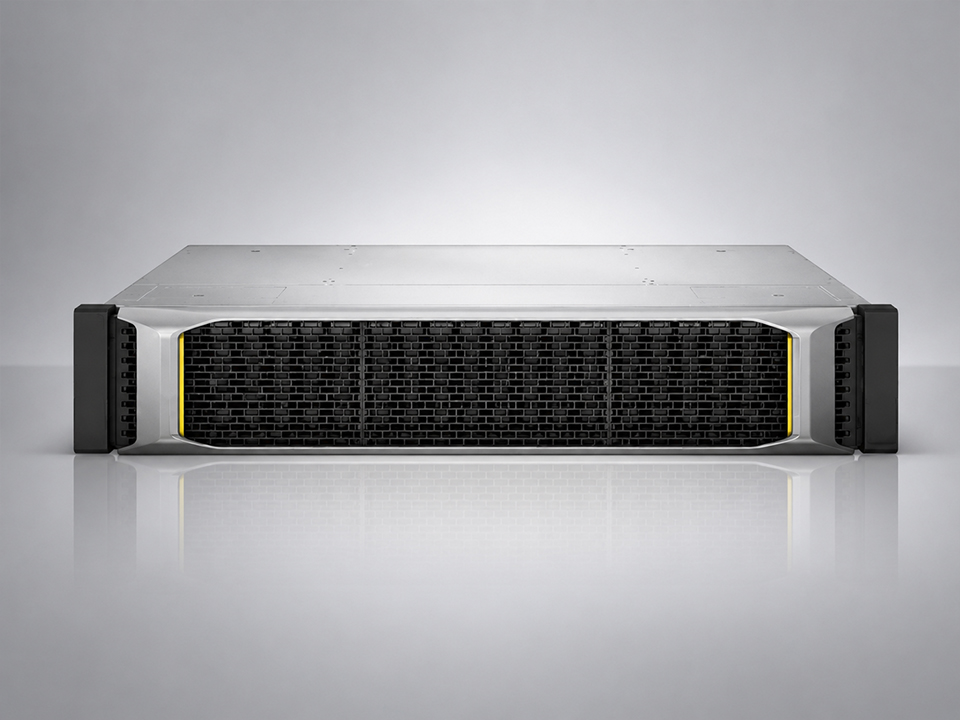
What a Fixed Switch Over Heap Truly Purchases You
A set switch pile acquires speed, simpleness, and a procurement tale that does not terrify financing. Two or four 1U buttons. Pile cords or online stacking. Shared administration. Foreseeable rack design. Much easier delivery. Faster staging.
Wonderful bundle.
Yet a fixed switch pile is not immediately a resistant school core. Some stacks produce a single control-plane dependency. Some upgrade operations reboot greater than the customer expected. Some stacking cables become the most ignored essential part in the shelf. Some “nonstop forwarding” claims are true only inside a neat test situation that does not consist of real university turmoil, maturing optics, mixed firmware, dirty power, and a rushed adjustment window.
I like fixed stacks at the access layer. I like them for small collapsed-core layouts. I like them for branch campuses where business impact of a core interruption is bearable.
I do not like them when people make use of “pile” as a replacement for architecture.
If your set style requires thick copper at the aggregation edge, a 1U 48-port copper information center button might support a practical fixed-form-factor develop. If the demand is much more access-layer growth than true core switching, 48-port took care of Gigabit access changes are often the cleaner fit.
That difference issues: gain access to growth is not the like campus core refresh.
The Hard Reality Concerning Outages Nobody Wants in the RFP
Below is the unpleasant component: many failures are not caused by the button being too small. They are triggered by human beings changing systems that are also tightly combined, as well poorly documented, or also breakable under rollback.
The FCC’s July 2024 searchings for on the AT&T Flexibility failure are the sort of checking out every school network designer should keep in their back pocket. That occasion entailed a network adjustment with a configuration mistake and reportedly influenced enormous telephone call volumes, including emergency-call attempts. The lesson for university networks is not “AT&T poor.” The lesson is that big networks stop working when procedure, controls, rollback, and segmentation are weak than the blast span.
Verizon’s 2024 DBIR pressed the very same ugly style from the protection side: human participation, susceptability exposure, and postponed removal maintain showing up in significant incidents. Again, not a switching-specific fact. Yet the school core is where negative division, sluggish patching, and delicate accessibility policies end up being visible.
So when someone asks whether a set switch pile is “adequate,” I ask a various concern: sufficient after a poor firmware press, an unsuccessful supervisor election, a damaged LACP bundle, a mistyped OSPF cost, and an exhausted engineer trying to recover 802.1 X prior to Monday morning?
That is the actual examination.
Modular Framework vs Taken Care Of Switch Stack: The Contrast Table
| Choice Element | Modular Framework Switch Over | Dealt With Change Heap | My Area Review |
|---|---|---|---|
| Best fit | Big school core, multi-building foundation, high-density gathering | Little to mid-size university, fell down core, budget-sensitive refresh | Suit architecture to blast span, not ego |
| Scaling version | Include line cards, managers, power, followers, components | Include or change dealt with switches, usually within pile limitations | Chassis wins when growth doubts |
| Very first price | Higher ahead of time equipment and assistance price | Reduced preliminary acquisition rate | Dealt with pile wins the first meeting |
| Lifecycle cost | Better when growth, spares, and module reuse are planned | Better when port need is steady and refresh cycles are brief | Financing generally misses optics, downtime, and labor |
| Failure domain | Can be solid with repetitive supervisors and power, however still centralized | Can be easy, but stack control-plane behavior needs to be comprehended | Neither is “safe” without design self-control |
| Update danger | Possibly cleaner with redundancy, depending on platform and software application | Can be turbulent relying on pile style and ISSU support | Test upgrades before believing slides |
| Port versatility | Solid mix of copper, SFP, SFP+, QSFP, 10G/25G/40G/ 100G | Repaired port design; development suggests one more box or substitute | Chassis manages unusual futures much better |
| Rack and power | Bigger footprint, heavier power and air conditioning preparation | Small 1U/2U footprint | Taken care of victories limited storage rooms |
| Extra method | Calls for module-level preparation | Much easier whole-box extra version | Taken care of is less complex for lean teams |
| Functional ability needed | Higher | Modest | Chassis penalizes weak procedure; stacks punish incorrect self-confidence |
When I Would Pick a Modular Framework Change
I would certainly select a modular chassis switch when the school core is a common dependency for numerous buildings, data spaces, cordless aggregation, firewall program handoff, WAN edge, server VLANs, and safety division. In other words, when the core is not just “network gear” however the place where organization continuity goes to be tested.
A modular framework makes good sense when you need:
High port thickness across mixed media: copper, SFP, SFP+, QSFP, and future 25G or 100G paths.
Repetitive power and cooling down with an actual spare strategy.
Longer lifecycle control, particularly when the company revitalizes every 5 to 7 years as opposed to every three.
Cleaner module-by-module development without forklifting the whole system.
Better alignment with structured BOM planning, specifically for education, health care, federal government, finance, and multi-site enterprise networks.
However there is a catch. A framework does not conserve a lazy design. If the VLAN map is a mess, the routing limit is uncertain, the maintenance procedure is tribal understanding, and no one knows which optics are accepted, a bigger box just centralizes the mayhem.
I’ve seen lovely framework cores ran like junk drawers. Expensive junk drawers.
When I Would Pick a Fixed Change Heap
I would certainly select a fixed button pile when the university is smaller sized, the network team is lean, port requirements are stable, and the downtime tolerance has actually been truthfully specified. Not guessed. Defined.
Dealt with switch stacks beam in collapsed-core layouts, smaller colleges, branch offices, producing sites with predictable endpoints, and schools where most development is taking place at accessibility instead of core aggregation.
A Cisco Nexus 9372PX 1RU data center network switch can make sense where top-of-rack or gathering habits overlaps with campus framework requirements. For fiber-heavy 1U switching, the Cisco Nexus 93180YC-EX 1U SFP/QSFP button fits a more portable model where thick optical connectivity issues.
Yet I would not delicately call those “university core” gadgets without validating routing range, redundancy version, software assistance, optics compatibility, power design, and the functional strategy.
A set button stack must win since it fits the danger design, not because the framework quote made a person worried.
The Procurement Math Many Teams Underestimate
The inexpensive choice is hardly ever cheap by crash.
When contrasting chassis vs stackable buttons, the spread sheet ought to consist of greater than hardware rate. Add transceivers, DAC/AOC cables, sustain agreements, licensing, shelf devices, power feeds, airflow direction, spare power materials, spare followers, supervisor components, piling cables, clever hands, migration labor, after-hours testing, rollback time, and the price of one negative interruption.
I am not saying every switch needs exceptional assistance and a hill of spares. That is vendor-friendly rubbish.
I am saying the campus core button is the wrong area to make believe labor is complimentary. If your group invests six weekend breaks migrating around restrictions created by a less expensive taken care of pile, the financial savings might currently be gone.
My regulation: if the layout needs 3 exceptions prior to it works, rate the cleaner layout once again.
The Design Question: Routed Core or Layer 2 Comfort Covering?
The real campus core refresh choice is not just modular chassis vs fixed switch pile. It is likewise Layer 2 sprawl vs routed technique.
Cisco’s contemporary campus support has favored modular, hierarchical design and toward minimizing setup intricacy. That straightens with what lots of designers find out painfully: big Layer 2 domain names are mentally reassuring until they are operationally toxic.
Use directing where you can. Push Layer 3 closer to the side when the setting sustains it. Maintain VLANs tiring. Keep spanning tree boring. Maintain failure domains tiring.
Boring success.
If a modular chassis lets you combine a cleaner transmitted core with VRFs, OSPF/IS-IS/EIGRP/ BGP borders, ACL framework, multicast control, and far better telemetry, it can be the better long-term design. If a dealt with pile lets you simplify a small website without acting to be a hyperscale network, that can also be the better style.
The opponent is not the kind variable. The opponent is pretending kind element solutions style financial obligation.
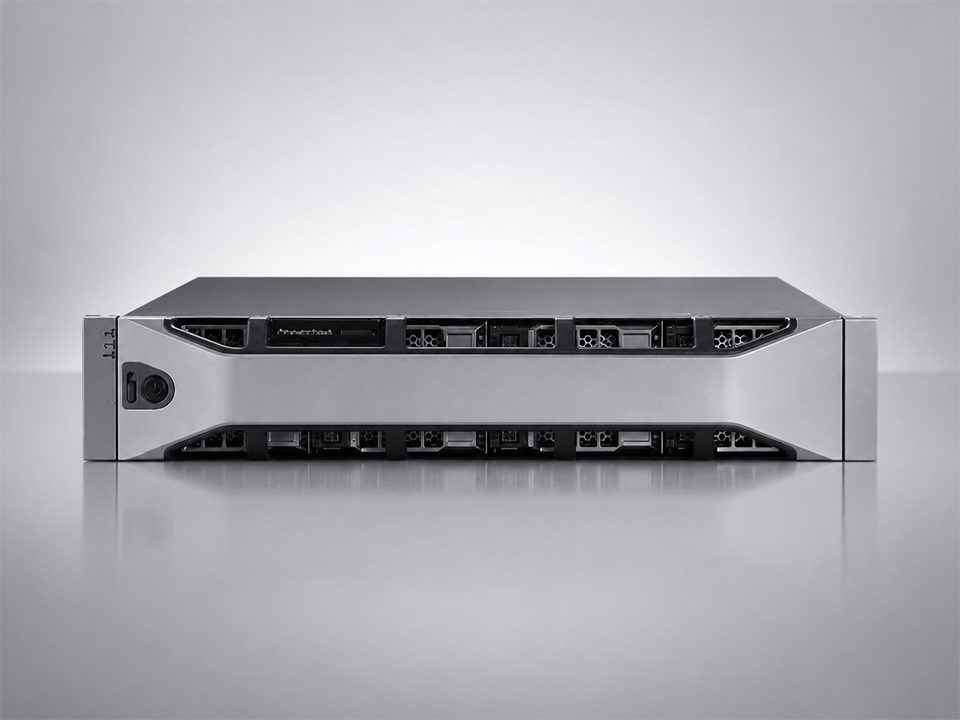
My Opinionated Choice Policy
Pick a modular chassis switch when the campus core rejuvenate need to shield uptime, take in unclear growth, support blended high-speed interfaces, and continue to be serviceable throughout a lengthy lifecycle.
Pick a fixed switch pile when the website is smaller, the port plan is steady, the team needs functional simpleness, and the organization can endure the upgrade and failure behavior of that stack.
Do pass by based on brand loyalty. Do not choose based on a reseller’s favored margin. Do not choose based on what worked in the last building if this structure now brings two times the wireless density, more cloud apps, camera traffic, NAC enforcement, and east-west application babble.
A campus core switch is a danger choice wearing an equipment label.
FREQUENTLY ASKED QUESTION
What is a modular framework button?
A modular framework switch is a school core switch constructed around a common chassis, supervisor/control elements, power materials, fan components, and changeable line cards, allowing network teams to scale port types and redundancy inside one platform instead of changing several taken care of appliances as backbone demands transform. In technique, it is best for large campuses, dense aggregation, and rejuvenate cycles where development is tough to anticipate.
What is a set switch pile?
A set switch stack is a team of fixed-form-factor Ethernet changes run as one sensible system via physical piling cords, online piling, or vendor-specific clustering, offering groups shared monitoring and even more ports without acquiring a huge modular chassis. It is normally cheaper upfront, faster to rack, and much easier to save, yet its control-plane and upgrade actions should be tested before core implementation.
Is a modular button much better than a set switch stack for a campus core?
A modular button is better for an university core when uptime, blended user interface development, repetitive hardware, and lengthy lifecycle growth matter greater than the most affordable initial purchase rate, while a set switch stack is better when the site is smaller sized, predictable, and functional simplicity outranks maximum versatility. The ideal response depends on failure domain name, not fashion.
Just how do I choose the very best switch for school core freshen?
The most effective button for campus core refresh is the system that matches your port growth, directing scale, redundancy assumptions, upkeep procedure, optics plan, power layout, support design, and failure tolerance over the full lifecycle, not just the initial order. Build the decision around five-year operating truth, after that contrast chassis and pile alternatives.
Are stackable switches risk-free for a core switch replacement?
Stackable switches can be secure for a core button substitute when the network is modest in range, the pile sustains appropriate redundancy and upgrade habits, and the team has actually tested failing situations such as member loss, stack-link failing, firmware upgrade, and routing reconvergence. They become risky when buyers assume “stacked” immediately suggests carrier-grade durability.
What should be inspected before buying a modular framework button?
Before acquiring a modular framework button, check manager redundancy, line-card schedule, user interface mix, power-feed requirements, fan instructions, optics support, software program licensing, transmitting scale, support status, extra modules, rack deepness, and movement approach. Likewise verify whether the chassis is genuinely matched for university core switching or primarily positioned for information center aggregation.
Last Take
If the school core refresh is politically delicate, do the awkward thing initially: write the failure situation. Not the delighted topology. The failure scenario.
What occurs if one box dies? What happens if a software application upgrade falls short? What happens if a stacking link breaks? What happens if the core requires 100G uplinks two years early? What takes place if the only engineer who understands the present design leaves?
When those answers are sincere, the modular chassis vs taken care of button stack choice becomes a lot less strange.
Need aid sourcing the right equipment for a core button replacement, chassis build, or fixed-form-factor refresh? Begin with the modular and fixed changing choices over, confirm the required port mix, optics, power, and support profile, then develop the BOM around the failure design– not around the cheapest line item.

